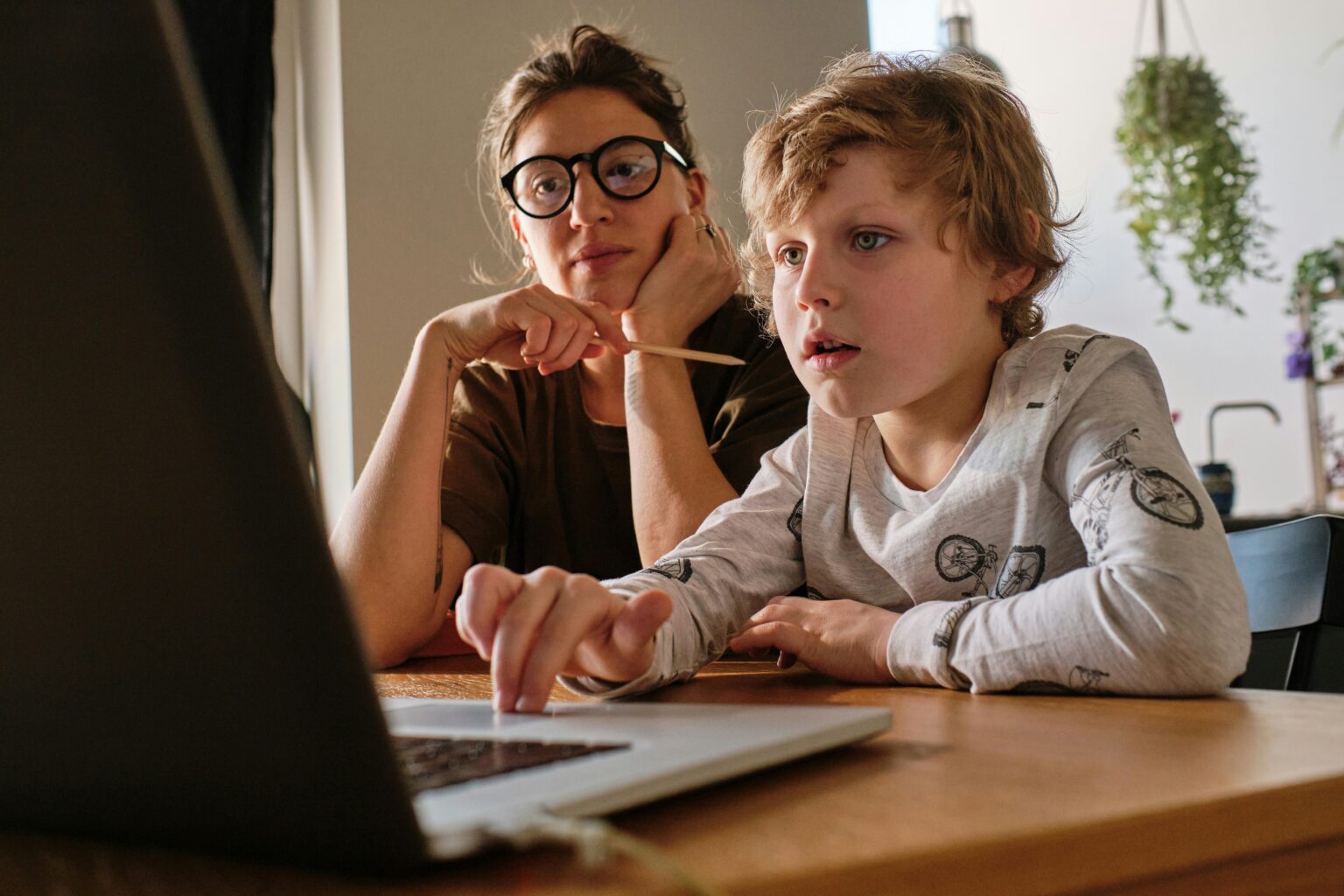

It often starts quietly.
Not with a breakthrough moment, or a dramatic conversation, but with a child sitting at the table and not flinching when they get something wrong.
Residential tuition, sometimes called live in tutoring or full time tuition at home, gives a child consistent one to one teaching within their home routine.
A residential tutor arrives and, for the first time in a long time, learning does not feel like a performance. There is no classroom hum, no raised eyebrows, no sense that they are already behind before they begin. Just time. Space. One calm adult who is not rushing them through the hard part.
In school, a child can look fine while they are struggling. They answer when called on. They nod. They hand something in. They hold it together. Then the day ends and everything spills out at home. Exhaustion. Irritability. Avoidance. Tears. Silence. The thing parents often say is: “They’re not like this with anyone else.”
Residential tuition slows the picture down enough to see what is underneath. It is academic support, yes, but also structure, study skills, and confidence building from a tutor who is there day to day.
A good residential tutor notices the moments nobody else catches. The way the child reads the question three times but cannot begin. The way they ask to sharpen a pencil, then go to the bathroom, then come back and rearrange their books, because starting feels like stepping off a cliff. The way they rush through the easy bits and then panic when the task changes shape. The way they apologise for needing help, as if needing help is a character flaw.
And because the tutor is there day to day, they do not just notice it. They respond to it.
The work becomes paced properly. Instructions become clearer. Tasks get broken down before the child tips into overwhelm. The tutor waits a few seconds longer. Asks a better question. Shifts the method. Takes the pressure off the first draft. Builds in repetition without making it feel like punishment. Whether it’s GCSE English, A Level maths, 11+ preparation or IB coursework, the approach adapts in real time.
There is a particular kind of relief that comes from that. You can see it physically: shoulders drop, jaw unclenches, breath slows. Children often do not describe it as “support”. They describe it as feeling normal again.
Residential tuition is not simply more tutoring. It changes the rhythm of a child’s life.
And it is not intense all the time. Some of the best progress happens in the lighter moments: football in the garden at lunch, cooking together in the afternoon, a casual chat that turns into a confidence boost without anyone naming it as such. In those moments, tutors often become mentors as much as teachers.