
Homeschooling 20th October, 2026
Can You Start Homeschooling Halfway Through the School Year?
You don’t have to wait until September to start homeschooling. Whether your child is struggling at school, needs a change of environment or your family is relocating, a mid-year transition can help them continue learning without spending months in a situation that isn’t working. Discover how Enjoy Education can help you pick up from your child’s current academic level, protect progress towards GCSEs or A Levels, and create a bespoke programme around their needs and goals. Don't hesitate to contact our homeschooling team to plan your child’s transition and put the right academic support in place.

University & Beyond 15th October, 2026
Cambridge Interview Preparation: What to Expect and How to Prepare
Prepare for Cambridge interviews with confidence. Explore what to expect, how to approach unfamiliar questions and demonstrate academic curiosity. A guide full of practical preparation tips and bespoke mock interviews from Enjoy Education’s expert tutors and Cambridge alumni.

University & Beyond 15th October, 2026
Oxford Interview Preparation: What to Expect and How to Prepare
Prepare for Oxford interviews with confidence. Discover how to approach tutorial-style questions, think aloud and demonstrate academic curiosity. All with practical preparation tips and bespoke mock interviews from Enjoy Education’s expert tutors.
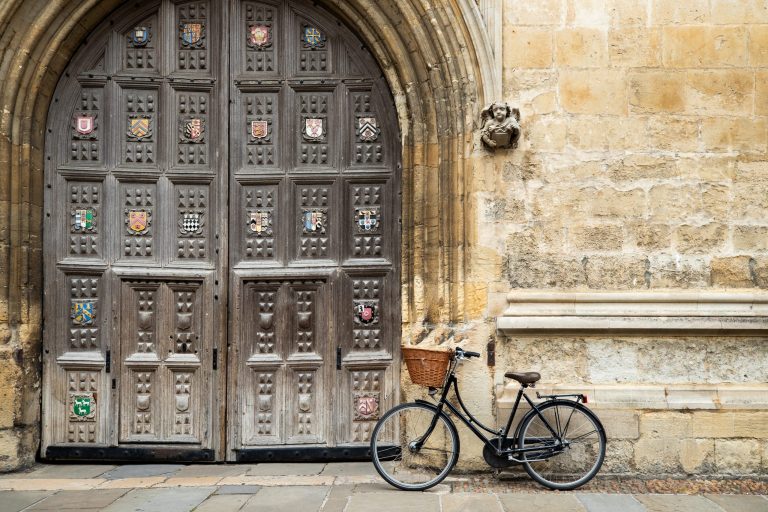
Higher Education Resources 13th October, 2026
How to Prepare for an Oxbridge Interview Without Becoming Over-Rehearsed
Preparing for an Oxbridge interview is about more than having the right answers. The strongest preparation helps students think aloud, respond to unfamiliar ideas and adapt when their reasoning is challenged. This guide explores how to prepare without becoming scripted, what to practise, how to approach mock interviews and what to do when you don’t know the answer.
Parent & Student Resources 12th October, 2026
Parents’ Evening Raised Concerns? What Should You Do Next?
"Parents’ evening can raise more questions than answers". In this guide, Lucy Hughes, Head of Private Tuition at Enjoy Education, answers the questions parents ask most often, from knowing whether a child is genuinely falling behind to understanding when extra support might help. She explores what to look for, how to talk to your child and why the right support starts with understanding the whole picture.

Homeschooling 9th October, 2026
What Is Homeschooling Really Like? Rose Shares Her Experience
In the latest episode of the Enjoy Pathways Podcast, Enjoy Education Founder and CEO Kate Shand talks to former Enjoy homeschooler Rose, now at university. Rose spent three years homeschooling with Enjoy through Year 9 and her GCSE years, before returning to mainstream education for Sixth Form. Rose talks about the point when school stopped working, what it felt like to do something completely different and how quickly her experience of education began to change.

Homeschooling 8th October, 2026
From First Call to First Lesson: How Enjoy Builds a Bespoke Homeschooling Programme
Deciding to explore homeschooling can feel daunting, and one of the first questions families ask is what happens next. Every Enjoy programme is built around the individual student, starting with a conversation to understand your child, their school situation and what you want education to feel like instead. From there, we design a bespoke programme with no standard timetable. We carefully match tutors to the student’s personality, learning needs and goals, then coordinate the practical details, including first lessons and tutor pre-meets. A dedicated Programme Manager, Lead Tutor and Academic Director keep everything joined up, and the programme adapts as your child’s needs change. The first step is simply a conversation.
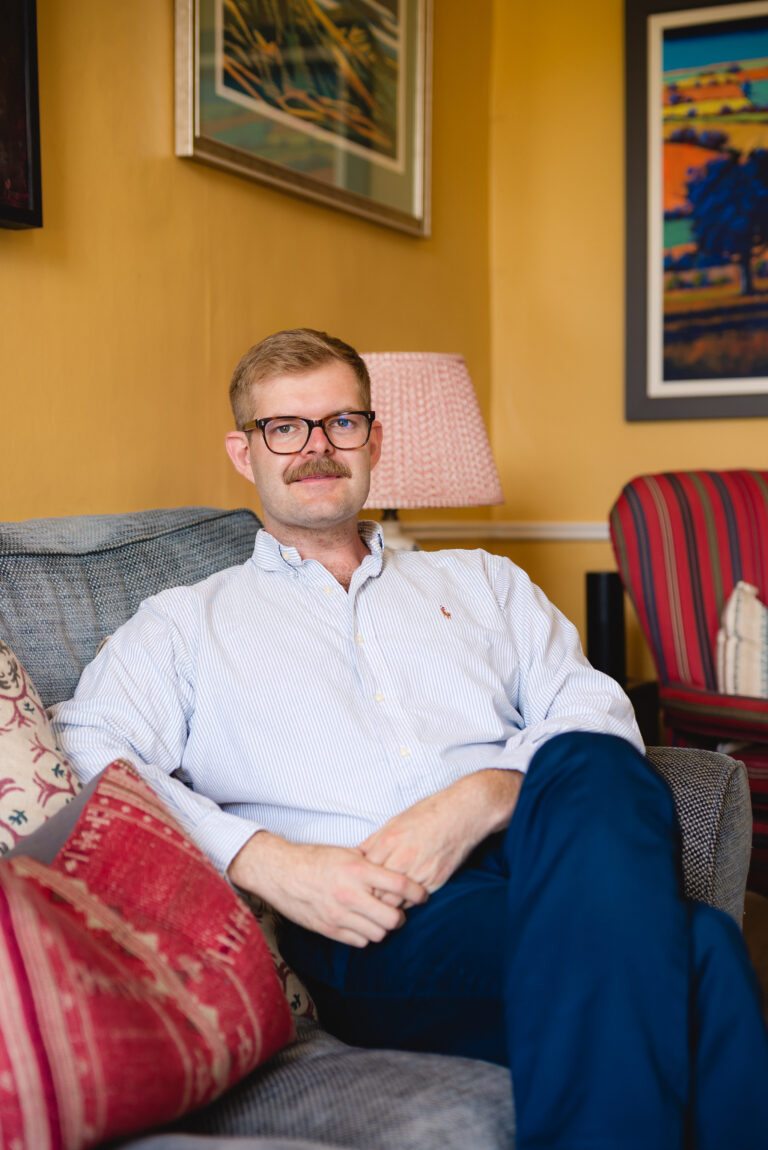
Academic Support 7th October, 2026
Living and Learning with Dyslexia: Our Director of Education Dominic Oxnam Shares His Story
For Dyslexia Awareness Week, we’re revisiting our Director of Education Dominic Oxnam’s personal account of growing up with dyslexia - from struggling to read as a child to university, teacher training and a career supporting young people. Dominic’s story is a reminder that dyslexia can look very different from one person to another, and that the right approach is often less about lowering expectations and more about finding the conditions in which someone can learn and show what they know.
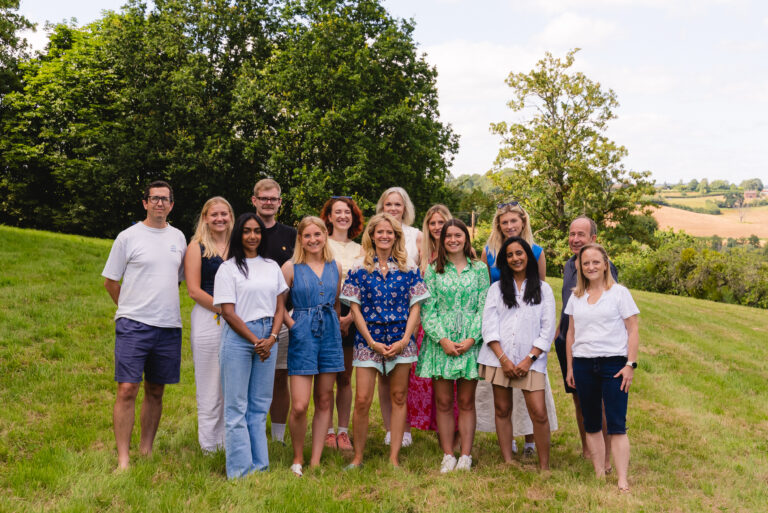
20th Anniversary 25th September, 2026
20 Years of Enjoy Education.
Twenty years ago, Enjoy began with a simple belief: every child deserves to feel seen. In this personal reflection, our founder, Kate Shand shares the experiences that shaped Enjoy, from the transformative impact of one-to-one tuition to building a more personalised approach to education. Looking back at 20 years of change, she explores what still matters and what comes next for Enjoy.