20th Anniversary 25th September, 2026
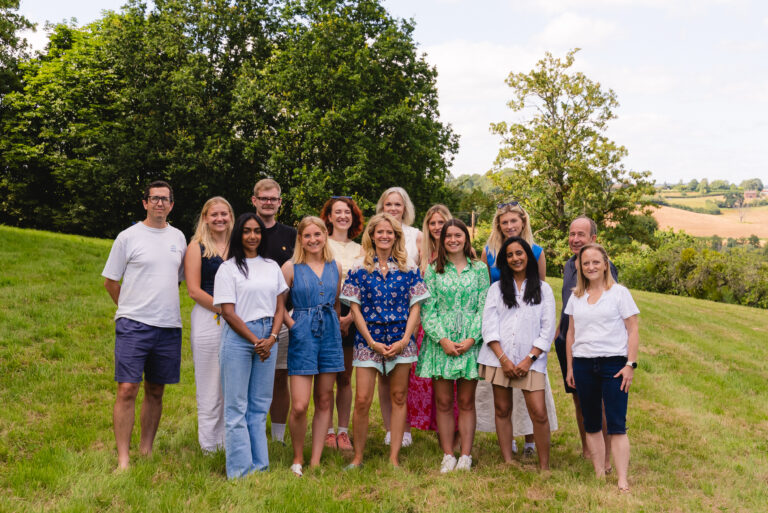
20 Years of Enjoy Education.
Twenty years ago, Enjoy began with a simple belief: every child deserves to feel seen. In this personal reflection, our founder, Kate Shand shares the experiences that shaped Enjoy, from the transformative impact of one-to-one tuition to building a more personalised approach to education. Looking back at 20 years of change, she explores what still matters and what comes next for Enjoy.

Academic Support 23rd September, 2026
It is a Marathon, not a Sprint: how to set the pace for a positive year ahead. By Lucy Hughes, Head of Private Tuition
Starting the school year at full speed isn’t always the best way to finish it well. Lucy Hughes, Head of Private Tuition, explores how sustainable routines, good sleep, regular breaks and a flexible approach to learning can help students maintain their energy and focus throughout the year.

Tutoring & Tuition 9th June, 2026
What Is a Travelling Tutor, and When Should You Hire One?
Travelling tuition is about far more than keeping up with schoolwork while abroad. In this blog, we explore how a travelling tutor can provide structure, academic continuity and personalised learning for globally mobile families, whether children are relocating, training internationally or preparing for major exam. From GCSE and entrance exam preparation to cultural enrichment and mentoring, travelling tutors help students stay engaged, ambitious and confident wherever life takes them.

School Admissions 27th May, 2026
Private but Personal: How We Match Families with the UK’s Most Competitive Schools
Choosing the right independent school is about far more than reputation alone. In this blog, we explore how Enjoy Education helps families navigate the UK’s most competitive school admissions processes through bespoke school advisory, tailored tuition and expert guidance. From building balanced school shortlists to preparing children for assessments and interviews, our personalised approach ensures every decision is centred around the individual child and their long-term success.
Academic Support 25th May, 2026
Excluded in Year 11? How to Save a GCSE Year Without Starting Over
An exclusion in Year 11 can feel overwhelming, but it does not have to mean losing a GCSE year. In this blog, we explore how families can create a clear, structured plan to help students continue progressing after exclusion, whether through specialist tuition, homeschooling or alternative exam arrangements. From prioritising GCSE subjects to organising exam entry and rebuilding confidence, we explain the practical steps that can help students stay on track academically while protecting wellbeing and future opportunities.

Academic Support 22nd May, 2026
Training in Dubai, Competing in Spain, Sitting GCSEs in the UK: How Enjoy Independent Supports Global Families
For globally mobile families, balancing elite training, international travel and academic ambition can make traditional schooling difficult to sustain. At Enjoy Independent, we create bespoke education programmes that combine the flexibility high-performing students need with the structure and quality of a private school education. Whether a child is training, competing or travelling internationally, their learning pathway can be adapted around real life while still supporting GCSEs, A Levels and future ambitions. Our tailored approach brings together expert tutoring, academic oversight, flexible timetables and long-term planning to help students progress confidently without sacrificing wellbeing.

Learning Support for SEN 20th May, 2026
Building a successful GCSE pathway for a neurodivergent learner often requires more than standard revision support. The strongest plans are personalised, balancing academic goals with practical and emotional needs such as organisation, confidence, sensory overwhelm, attention, or anxiety. By separating ability from access, families can better understand whether a student needs subject support, exam strategy, executive functioning help, or a more flexible learning environment. At Enjoy Education, we help families create tailored GCSE pathways through specialist tutoring, homeschooling, hybrid learning, and exam support. With carefully matched tutors, realistic timetables, and strategies designed around how each student learns best.
Tutoring & Tuition 18th May, 2026
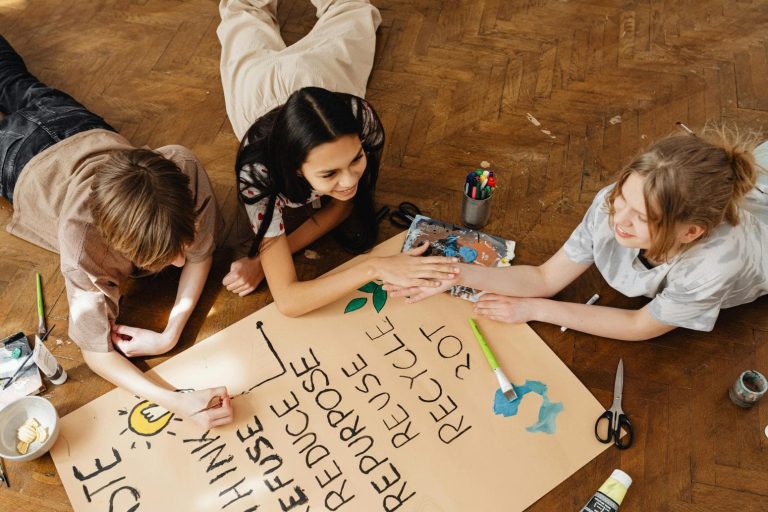
Creative Subjects Deserve Creative Tutors
Creative subjects thrive when teaching is just as imaginative as the learning itself. At Enjoy Education, we build bespoke programmes around each student’s interests, whether that’s music production, fashion design, philosophy, coding, cooking, or creative writing. By connecting learning to genuine curiosity, students develop not only stronger skills, but greater confidence, independence, and engagement. Our creative tutors combine subject expertise with adaptability, designing projects that feel personal, inspiring, and academically purposeful.

Parenting Tips & Toolkit 11th May, 2026
Sibling Strategy: What to Do When the Same School Isn’t the Right Fit Twice
Choosing the right school for one child does not automatically mean it will suit their sibling too. Children within the same family often have very different personalities, learning styles, confidence levels and educational needs. What helps one child thrive may leave another feeling unsettled, overlooked or under pressure. A more individual approach is often the key. Rather than prioritising consistency alone, families benefit from reassessing each child separately, considering academic fit, wellbeing, personality, interests and long-term confidence. With the right guidance, parents can make thoughtful school decisions that support each child as an individual, rather than assuming one path fits all.